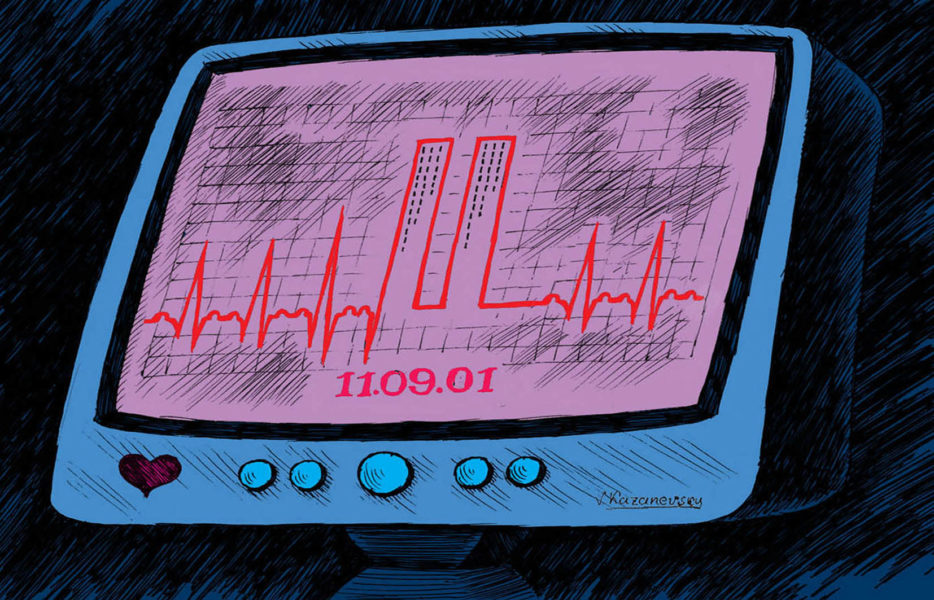
The multiple terrorist attacks in New York, Washington, D.C., and Shanksville, Pennsylvania, which took place on September 11, 2001, shook up not only the United States, but ended up shaping international politics for a decade and a half through what came to be known as the “The War on Terror.” In many ways, the reverberations of the terrorist attacks can still be seen in the politics of today. But how do we actually make sense of these attacks twenty-five years after they occurred? This course, organized jointly by Political Science and North American Studies, probes how the 9/11 attacks were presented, framed, and narrated in politics and the media. Students will learn to examine this crucial event—and its representations—in U.S. and world politics through the following critical questions: How were the events covered in the media? What impact did they have on U.S. domestic and foreign policies? How did politicians frame the attacks? What were the differences between various official and unofficial accounts of the events? How have the 9/11 attacks been represented in both documentaries and other films, and what kinds of counter-narratives have emerged to complicate them? The course consists of lectures, group presentations, and an independent final essay.
- Opettaja
Benita Heiskanen